Vera Dance Rongga

Vera Dance

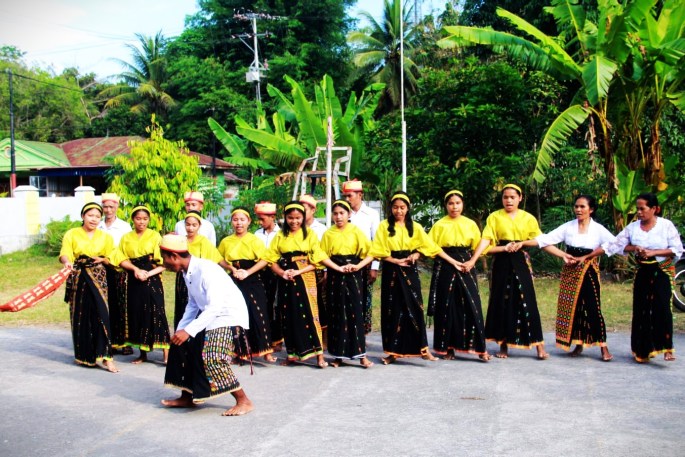
One of the most beautiful islands in Indonesia is Flores. In addition to the beautiful scenery with a choice of stunning white beaches, Flores also inherits a very diverse local culture. The people of Flores still hold fast to the customs that have been passed down from their ancestors. There are several ancestral heritages that are very famous in Flores such as the practice of the Caci dance in Manggarai, the Vera Dance in East Manggarai and several traditional dances in Bajawa, Ende, Maumere and East Flores.
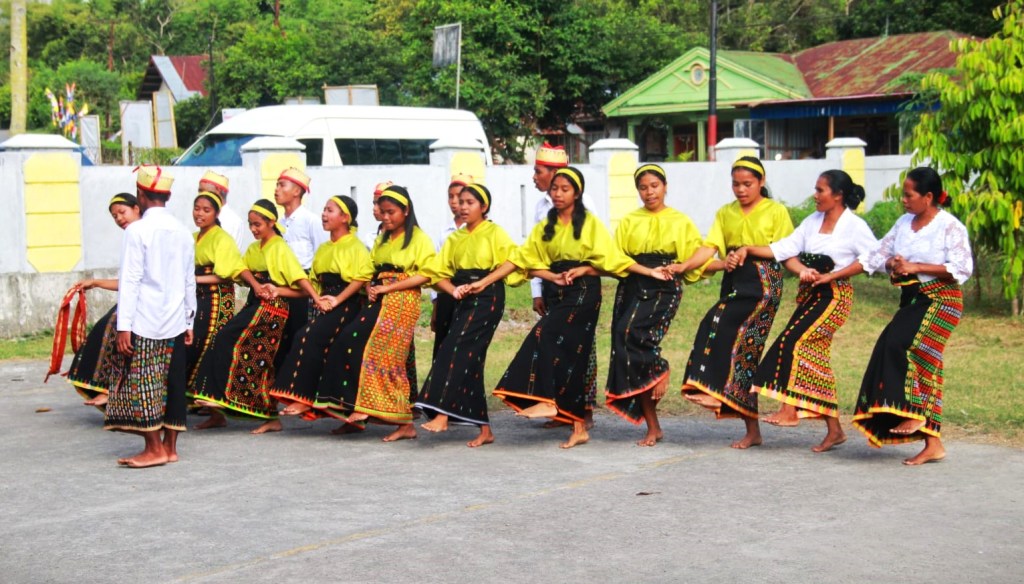
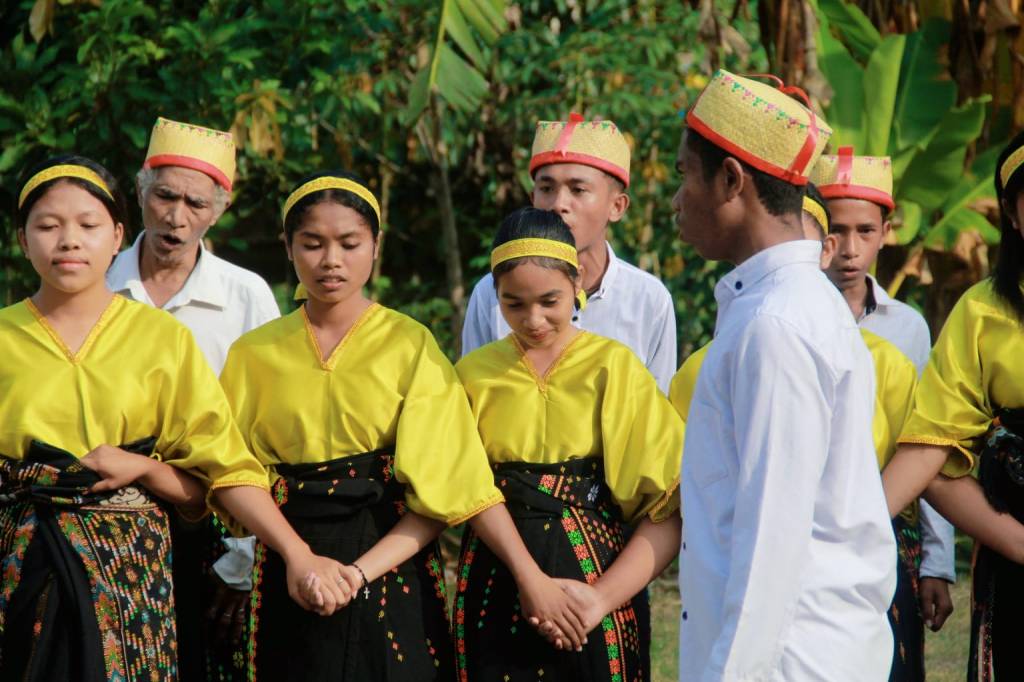
Popular dances such as the Vera Dance are still practiced by the people of Flores, especially the Rongga tribe in the southern region of Flores. This tribe is known for still holding fast to customs that cannot be separated from the ethics of living in society.
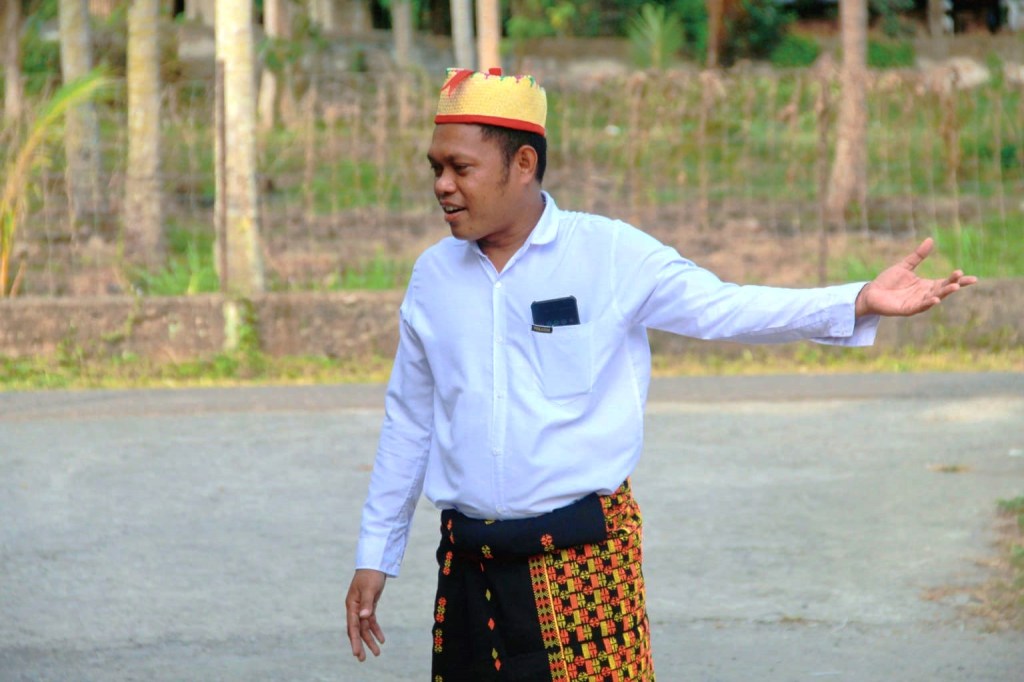
Etymologically, the word ‘vera’ comes from a word that means to show or tell. In accordance with its lexical meaning, the term Vera means to show by dancing while singing in the Rongga language. The song is in the form of poetry with a distinctive tone and rhythm according to the context of the ritual situation and the context of the Rongga ethnic culture. The essence of the message contains historical values, advice, teachings and philosophical values ​​as a guideline for the life of the Cavity ethnic group.

The meaning of Vera is related to the view that human life is dialectical. It contains the meaning of life and the meaning of death. Likewise, Vera can be classified into groups of sad Vera (death) and happy Vera.
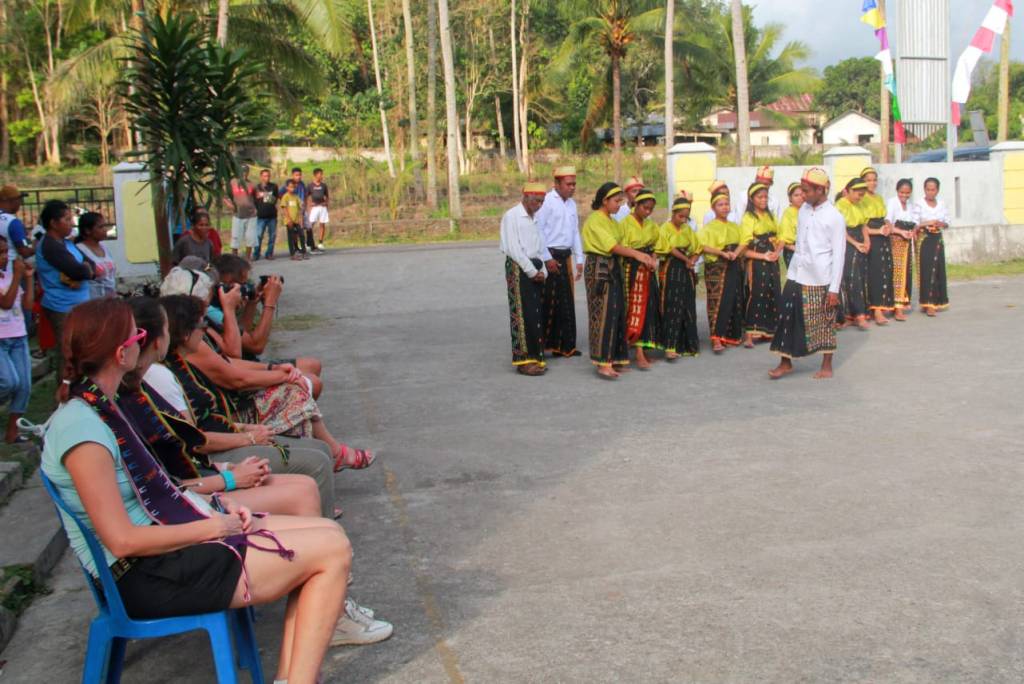
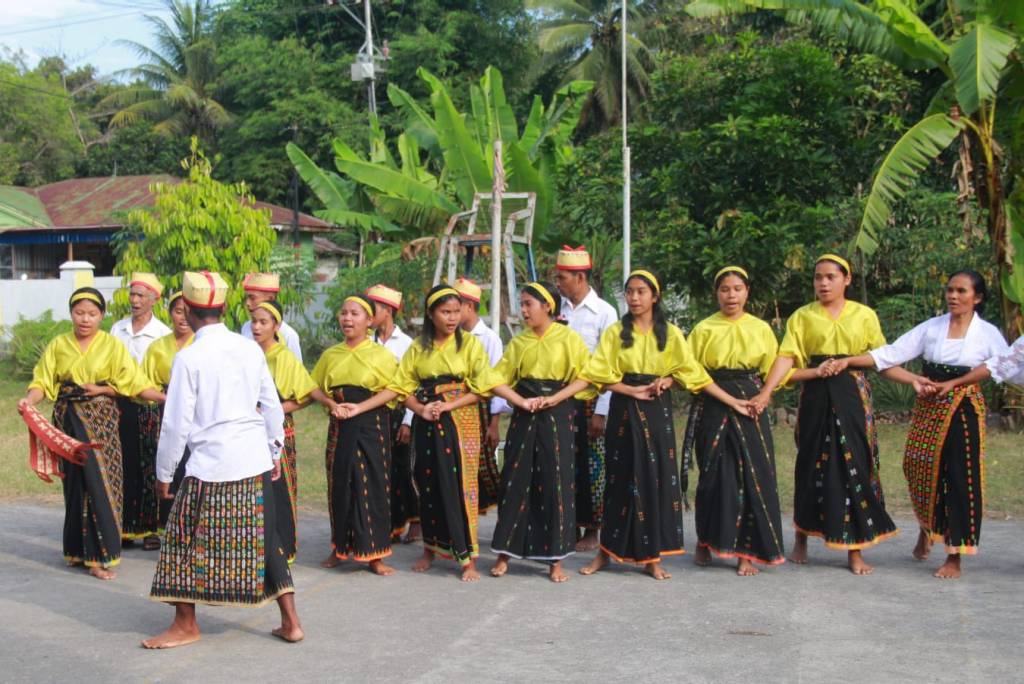
The performance of Sad Vera or Vera Sarajawa for the deceased takes place in the yard of the traditional house for 4 days and this is specifically for those who are considered to be elders or elders who guard the traditional house. While the Happy Vera or Vera Haimelo is performed during the harvest thanksgiving party or receiving honored guests and other happy events.

Waerebo Village

Waerebo Village

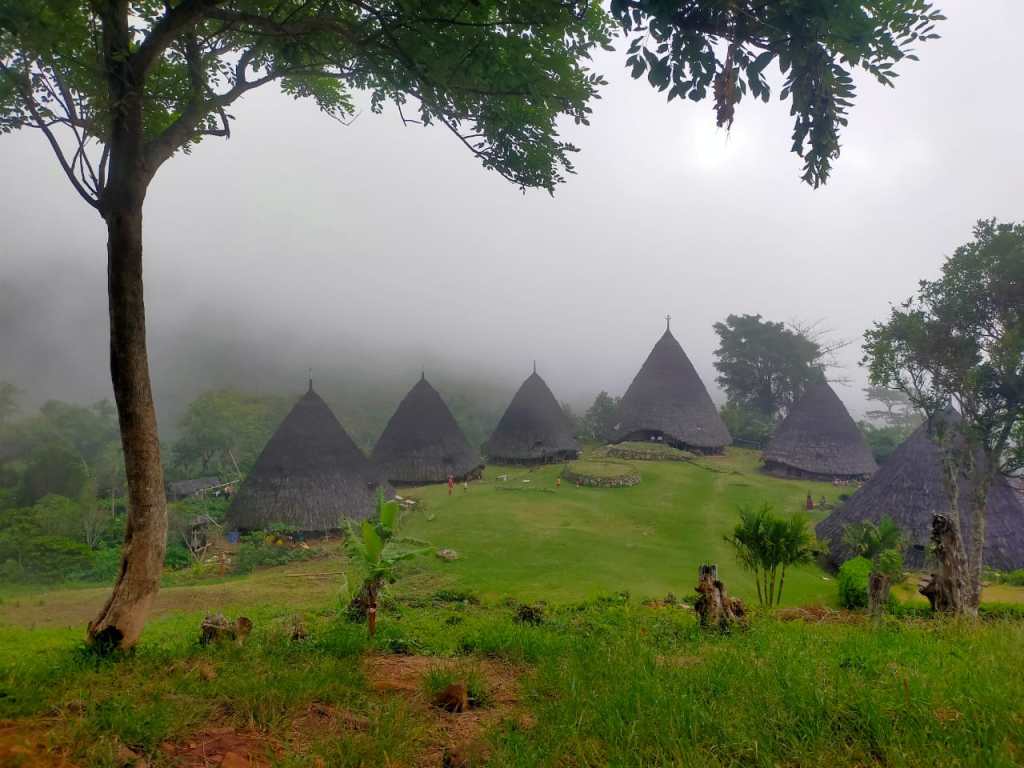
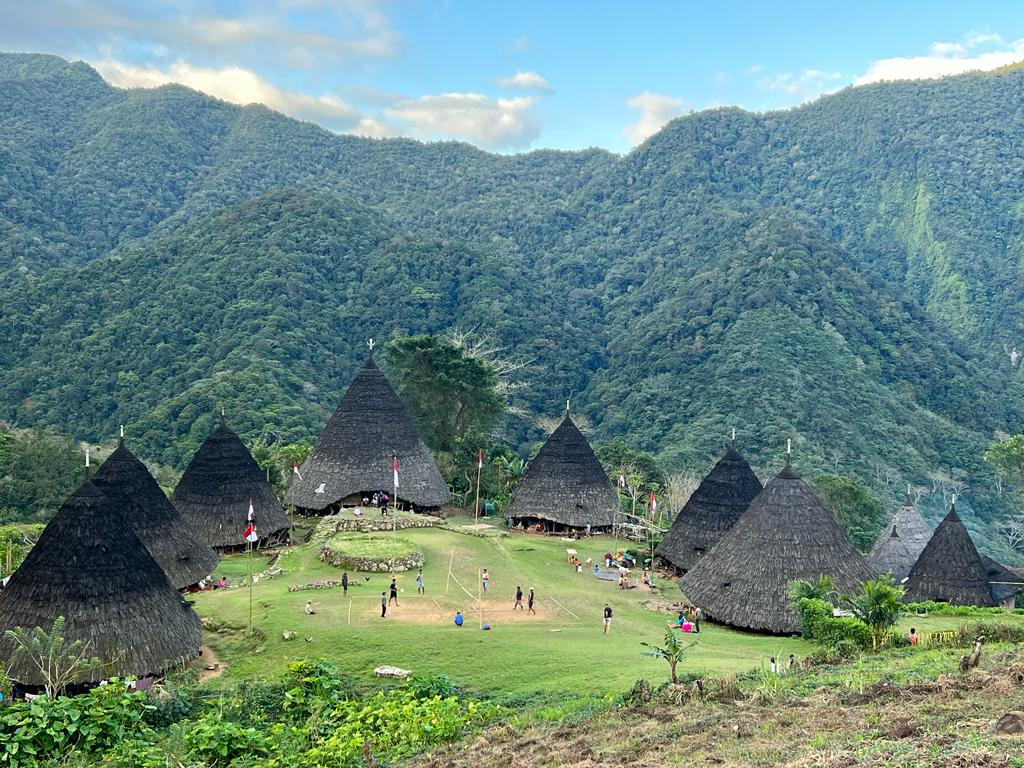
Wae Rebo is a traditional village located in Satar Lenda Village, West Satar Mese District, Manggarai Flores, East Nusa Tenggara. Wae Rebo is also known as the village above the clouds and is located at an altitude of 1,200 meters above sea level. This village is surrounded by beautiful and green hills.

Wae Rebo Village was founded by a man named Empu Maro who traveled to Labuan Bajo. He lived a nomadic life. Empu Maro decided to settle in the traditional village of Wae Rebo. The residents of Wae Rebo village still have Minangkabau lineage because the founder of Wae Rebo village, Empu Maro, came from Sumatra. Currently, the residents of Wae Rebo are in their 18th generation. The lives of Wae Rebo residents are still influenced by a fairly strong culture and customs. They still carry out traditions and rituals passed down from generation to generation. One of them is the Penti ceremony, which is a ritual of “expressing gratitude for the harvest” and in everyday life.

The traditional house of Wae Rebo also has a cone-shaped architecture called mbaru niang. There are 7 mbaru niang arranged around a circular stone as a central point called Compang. Compang is usually used by Wae Rebo residents as the center of their activities such as traditional ceremonies. Of the 7 traditional houses of Wae Rebo, the one in the middle is called mbaru tembong. Mbaru tembong is the center of traditional events, as well as a place to store musical instruments and caci equipment or traditional tools. This house is also one of the event venues when tourists arrive.

The welcoming event for tourists is called teing seng wae lu’u. This ceremony is intended to ask permission from the ancestors of the Wae Rebo village who have died to look after them while they are there. What distinguishes these 7 traditional houses is the “buffalo horns on the traditional house”. buffalo horns symbolize the hard work of the Wae Rebo residents. In Wae Rebo there is also a place to stay for tourists who want to stay overnight. There, every tourist is also served with coffee and tea. The majority of Wae Rebo residents are Catholic. Access to Wae Rebo is via trekking 3 hours from Denge village.