Komodo

Komodo Dragon

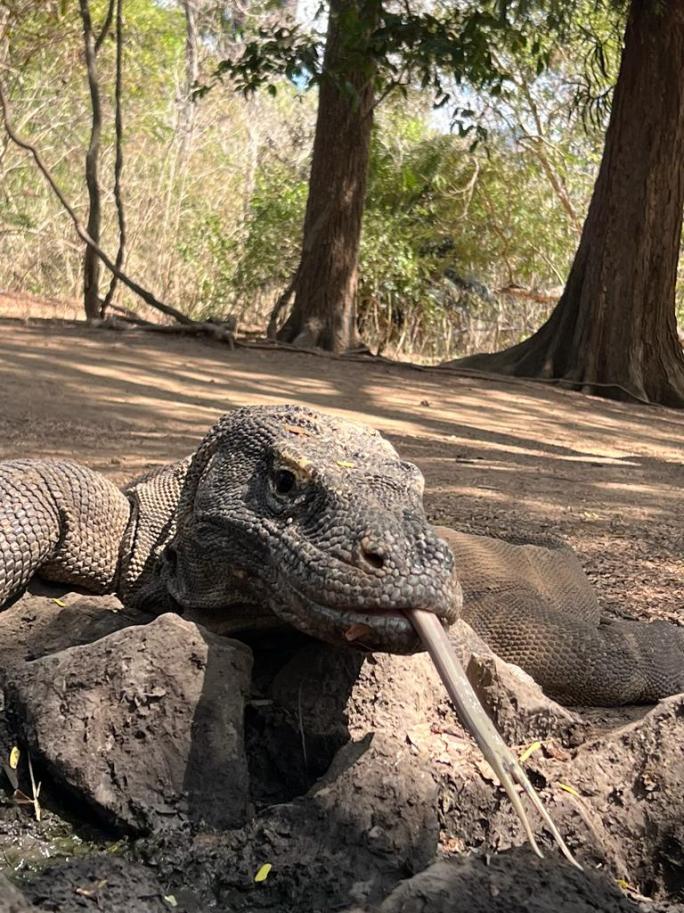
Komodo dragon is one of the largest lizards in the world and is considered one of the 7 wonders of the world. Komodo varanus komododensis is an ancient species that is almost extinct. Komodo is found in Komodo National Park which includes 5 islands including Padar Island, Komodo Island, Rinca Island, Nusa Kode and Gili Motang. Only 3 islands can be visited by tourists, namely Padar Island, Komodo Island and Rinca Island. The existence of this animal is very rare, so it is a mainstay tourist attraction on the island of Flores.
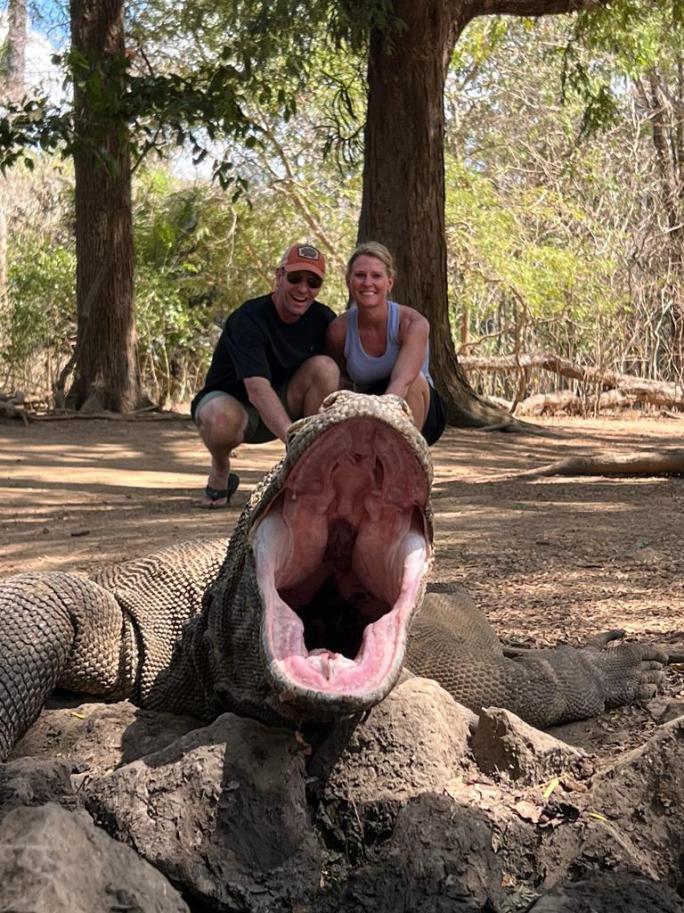
There are 2 types of Komodo, namely male and female. Male and female Komodos can be distinguished by their body shape. Male Komodo with dark gray to red skin color. While the female Komodo is green with a squeak and has small yellow spots on the throat. The length of the male Komodo reaches 3.1 meters and weighs 100 kg. While the female Komodo reaches 2.4 m with a weight of 40 kg. Komodo reproduces by laying eggs but can also be done by parthenogenesis, namely female individuals do not need males. During the mating season, males will fight over one female with another male. Only the winning male can mate with the female.
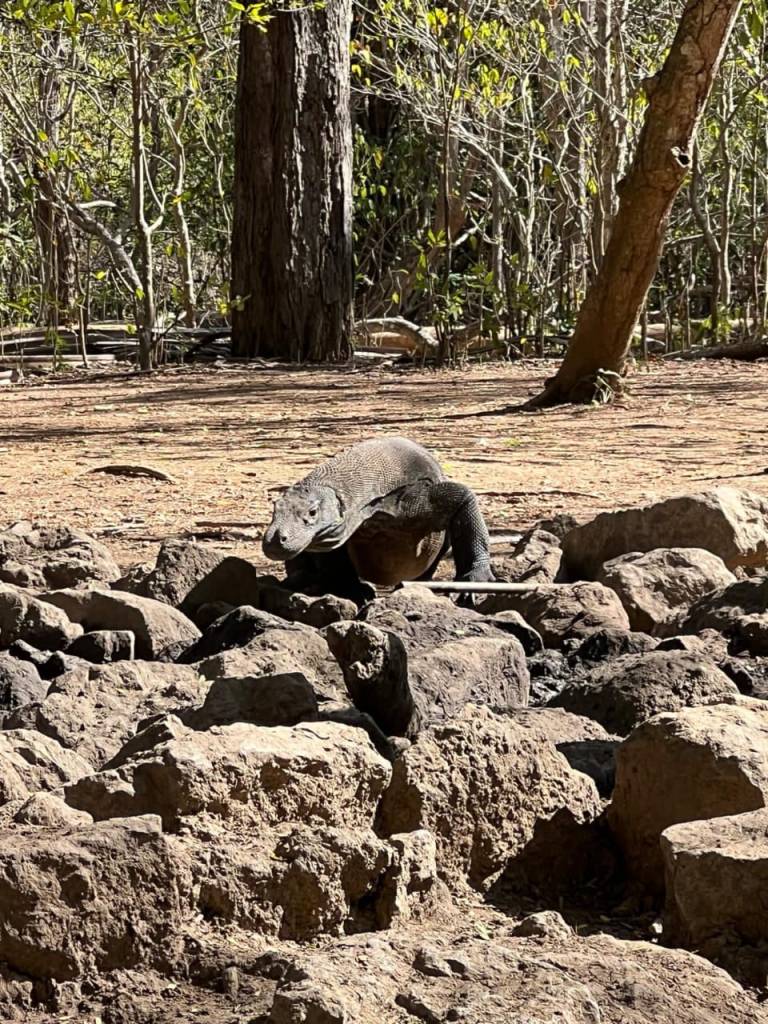
The Komodo population in Komodo National Park is 3,396 spread across 5 islands, namely Komodo Island, Padar Island, Rinca Island, Gili Motang and Nusa Kode. The largest population is on Komodo Island. Komodos are also categorized as cannibals. Mother Komodos sometimes eat their own children. Baby Komodos aged 1 to 2 years save themselves from predators by climbing trees. They also hunt prey with camouflage so that prey does not know their whereabouts. Komodos can survive up to 40 years. Komodos can also run at a speed of 20 km per hour. Komodos have a mating season from June to August so that tourists find it difficult to find Komodos in those months. Komodos lay eggs and can produce 40. Komodos eat their prey once a month. They chase their own prey with their bites which contain poison so that with the bite of the Komodo, their prey will only be held for a few hours.
Waerebo Village

Waerebo Village

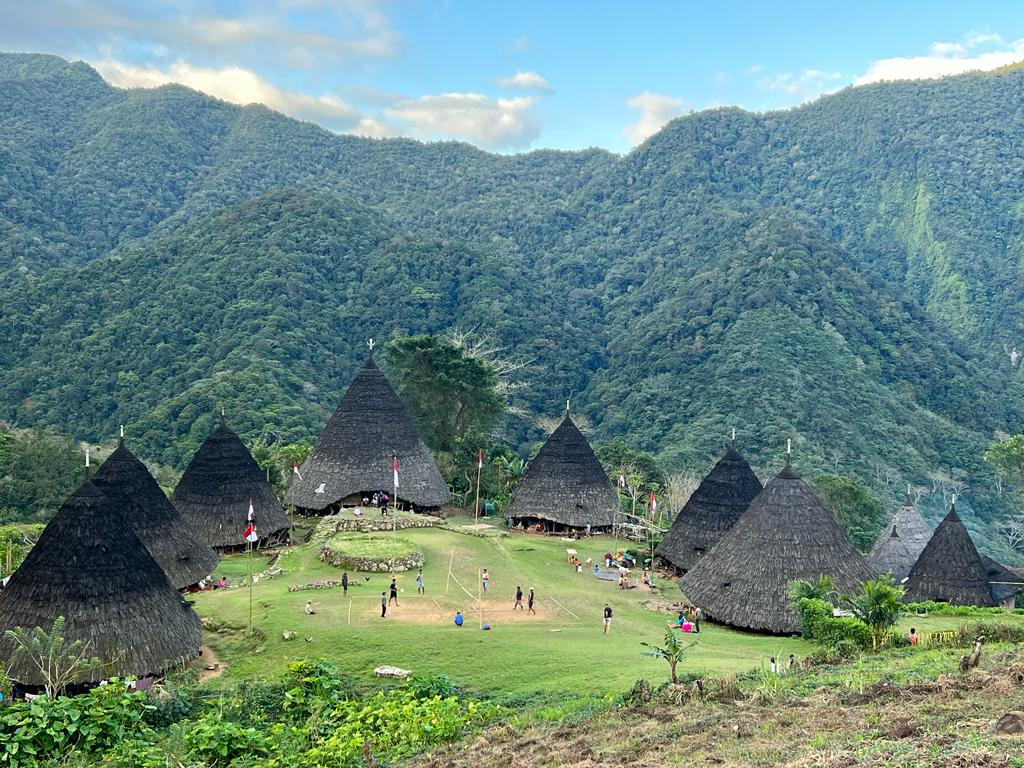
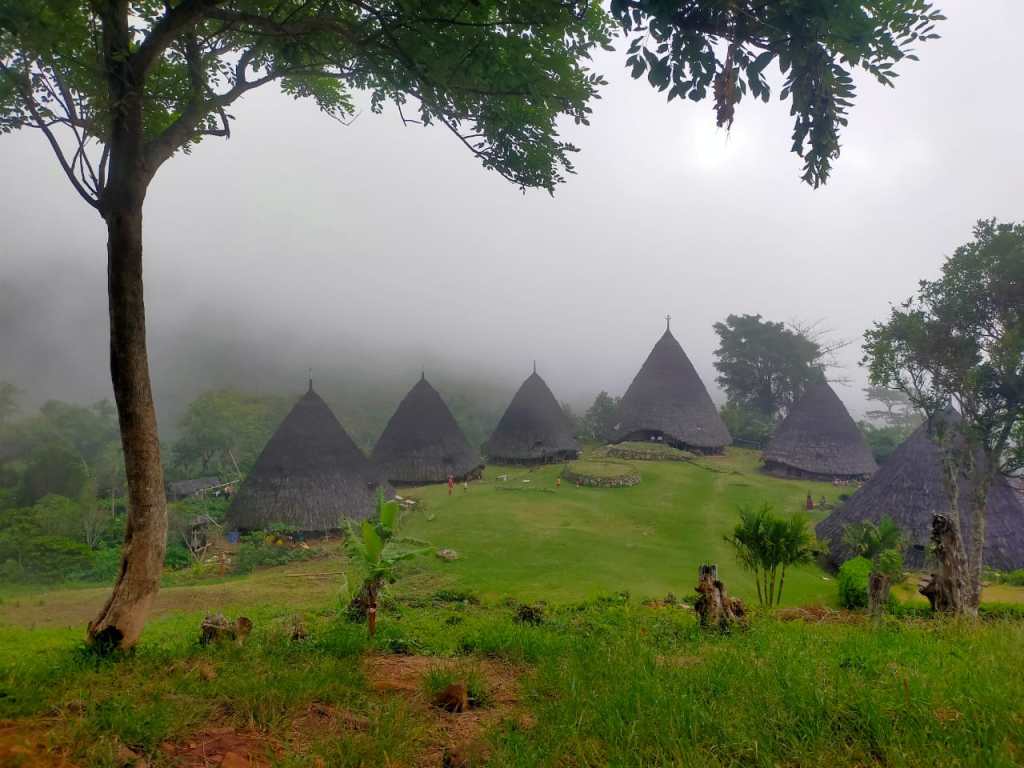
Wae Rebo is a traditional village located in Satar Lenda Village, West Satar Mese District, Manggarai Flores, East Nusa Tenggara. Wae Rebo is also known as the village above the clouds and is located at an altitude of 1,200 meters above sea level. This village is surrounded by beautiful and green hills.

Wae Rebo Village was founded by a man named Empu Maro who traveled to Labuan Bajo. He lived a nomadic life. Empu Maro decided to settle in the traditional village of Wae Rebo. The residents of Wae Rebo village still have Minangkabau lineage because the founder of Wae Rebo village, Empu Maro, came from Sumatra. Currently, the residents of Wae Rebo are in their 18th generation. The lives of Wae Rebo residents are still influenced by a fairly strong culture and customs. They still carry out traditions and rituals passed down from generation to generation. One of them is the Penti ceremony, which is a ritual of “expressing gratitude for the harvest” and in everyday life.

The traditional house of Wae Rebo also has a cone-shaped architecture called mbaru niang. There are 7 mbaru niang arranged around a circular stone as a central point called Compang. Compang is usually used by Wae Rebo residents as the center of their activities such as traditional ceremonies. Of the 7 traditional houses of Wae Rebo, the one in the middle is called mbaru tembong. Mbaru tembong is the center of traditional events, as well as a place to store musical instruments and caci equipment or traditional tools. This house is also one of the event venues when tourists arrive.

The welcoming event for tourists is called teing seng wae lu’u. This ceremony is intended to ask permission from the ancestors of the Wae Rebo village who have died to look after them while they are there. What distinguishes these 7 traditional houses is the “buffalo horns on the traditional house”. buffalo horns symbolize the hard work of the Wae Rebo residents. In Wae Rebo there is also a place to stay for tourists who want to stay overnight. There, every tourist is also served with coffee and tea. The majority of Wae Rebo residents are Catholic. Access to Wae Rebo is via trekking 3 hours from Denge village.